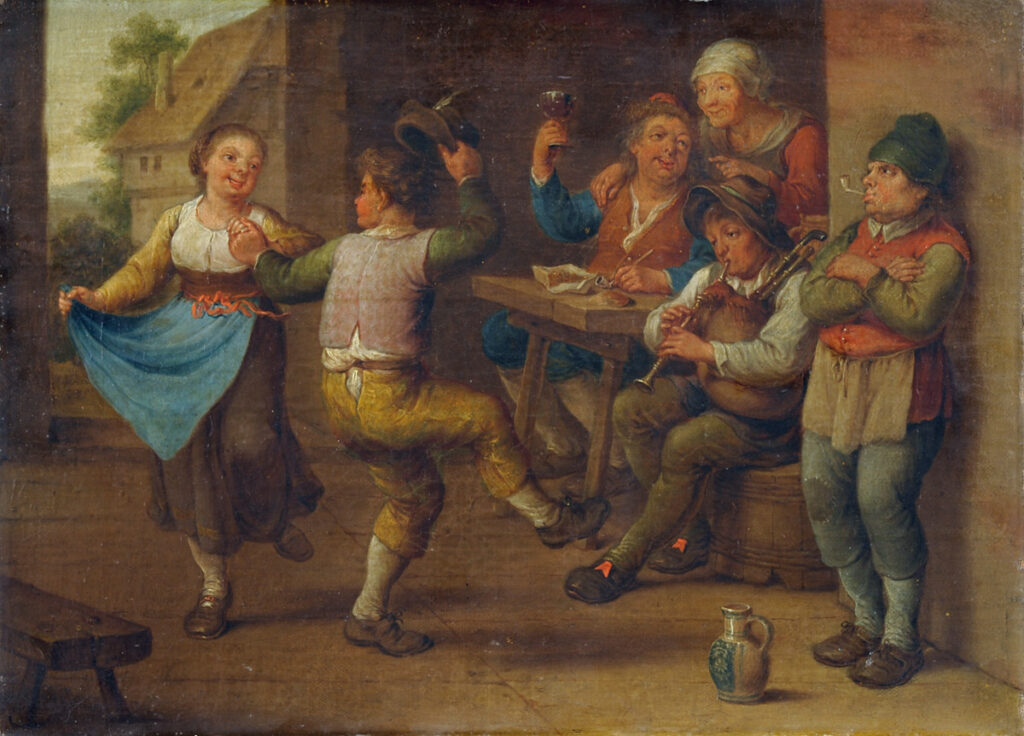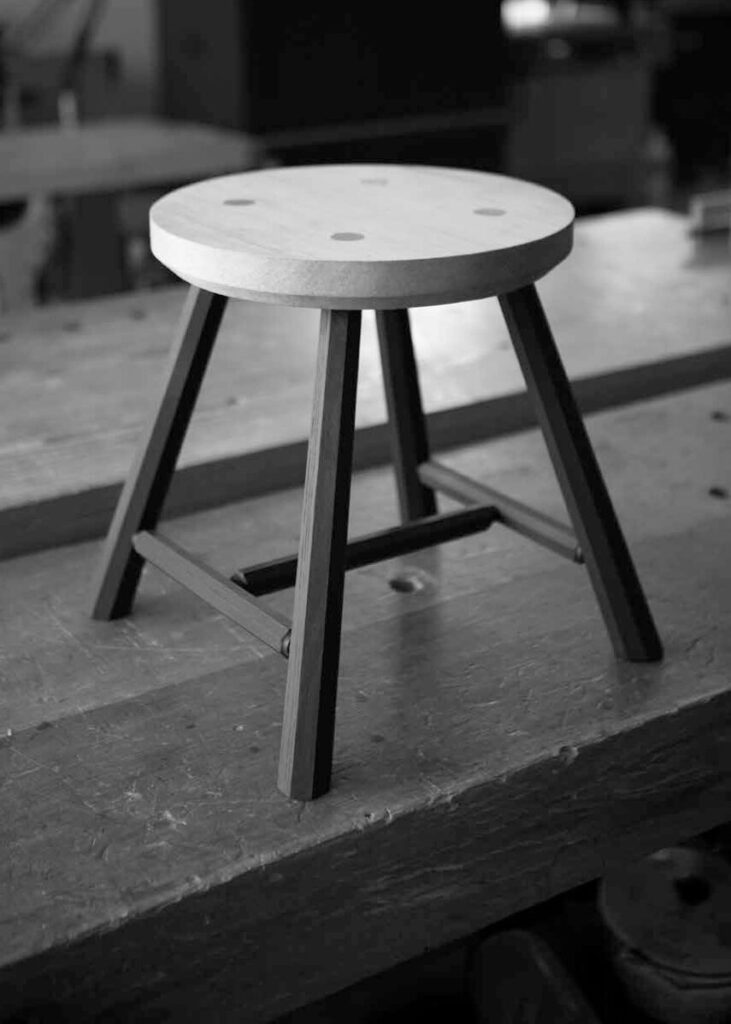
I come from farmers and artisans, hanging in my grandmother’s house was a picture of a great-great-grandfather standing behind a barrel in front of the cooperage he worked, hammer in hand. I won’t dare call it, “his cooperage” because I doubt he was more than a worker, like the vast majority of humanity. The furniture in his house was simple and sturdy, likely constructed by him or a relation. If you come from a similar background as me, the Furniture of Necessity is what our great-great-grandparents had in their home.
“Perfection is achieved, not when there is nothing more to add, but when there is nothing left to take away.” – Antoine de Saint-Exupéry, Airman’s Odyssey
The furniture of our ancestors followed Saint-Exupéry’s insightful quotation not through rigorous application of high-minded design school principles, but out of a need to build something useful, quickly with minimal materials. Out of this process comes a style of furniture with infinite variations but all belonging to a recognizable family of objects distinct from most high-end furniture found in museums and antique shops. There is a practical genius to many of these designs, creating pieces beautiful in their reserved refinement.
Furniture pattern books were catalogs of furniture designed by or in the style of famous designers like Chippendale, Heppelwhite, Arts and Crafts, Victorian; showing local builders how to create the newest and greatest trends in high society furnishings. Christopher Schwarz, the author and creator of this concept, went through surviving texts, extant pieces and thousands of paintings to create a distilled collection of this form of furniture. He has created a pattern book for the rest of us.
Check out the Furniture of Necessity Catalog